
Protecting Our Pollinators: The Importance of Bee Health and How You Can Help (Even Without a Garden!)
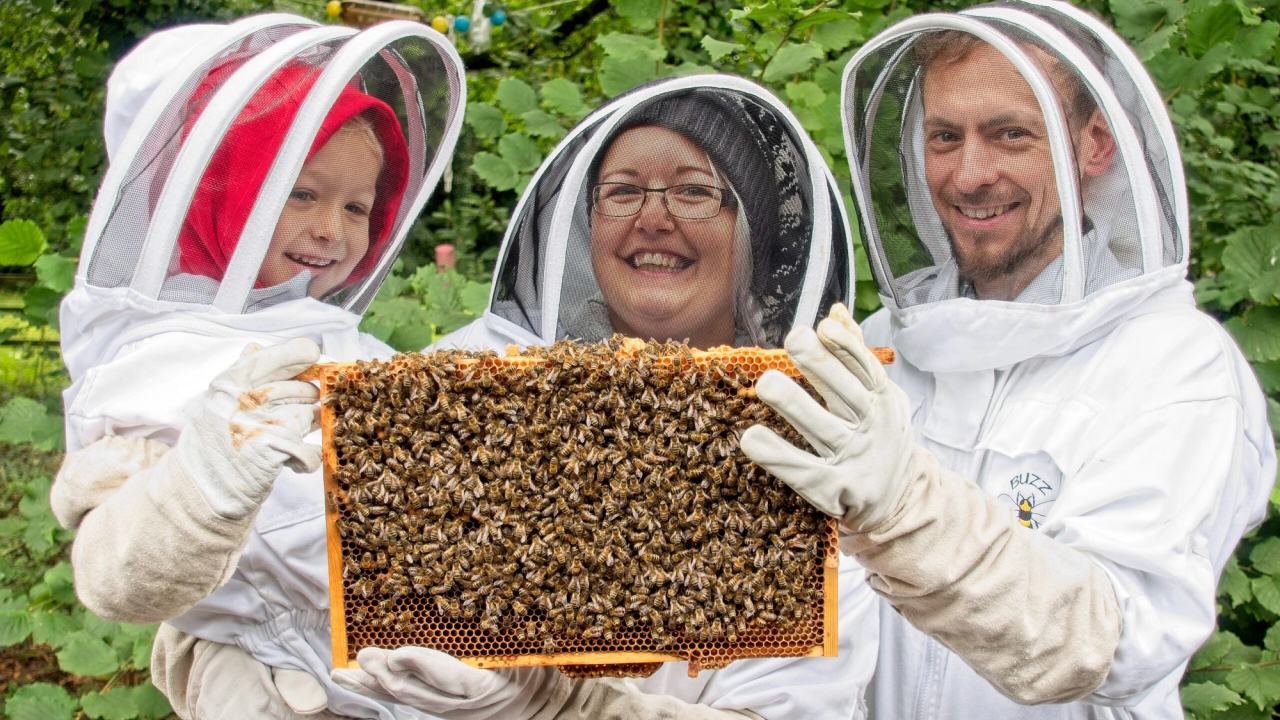
Bees may be tiny, but their impact is vast. Pollinators, not just bees, but also other species, such as butterflies, are the unsung heroes of our food system, buzzing about, ensuring the blooms we enjoy and the fruits and vegetables we savor reach our tables. But these vital insects, whose work is a main component of the so-called "environmental services" we receive from mother nature — are facing a growing threat: declining populations due to habitat loss, pesticide use, and climate change.
As you may suspect, this isn't just bad news for nature, it's bad news for all of us. A world without pollinators would be a world without coffee, chocolate, apples, and countless other essentials — one of the many dreadful things first publically staged by Rachel Carson, in her foundational volume, Silent Spring. But before you despair, know this: there's hope, and even individuals without sprawling gardens can make a difference.
Why is bee health so crucial? Bees’ work feed the hundreds of millions!
Bees and other pollinators play a vital role in the delicate balance of life. They transfer pollen between plants, enabling them to reproduce and bear fruit. This seemingly simple act ensures the abundance and diversity of our food supply, from the vibrant blooms in our gardens to the crops that feed millions — even billions.
Needed insects' numbers are alarmingly dwindling
Habitat loss, the overuse of pesticides, and climate change are taking a toll on pollinator populations. This decline poses a significant threat to food security, biodiversity, and the health of our ecosystems. You may have seen hives transported to fields and now wonder, how can this statement possibly true? Sadly, the need for hives to be transported is many times the very sign of the lack of pollinators. Additionally, domesticated honey bees are just one species of our furry friends — friends who are unable to do all the work. There are hundreds of wild bee species, which specialize in the pollination of certain crops, and honey bees many times are unable to substitute.
So, what can you do to help? Here’s a list for starters!
Even if you don't have a green thumb, there are plenty of ways to contribute to bee health:
1. Support pollinator-friendly businesses: Choose companies committed to sustainable practices that protect pollinator habitats. Cities can commit themselves as well — support a citizens’ initiative!
2. Plant native flowers: Native blooms provide essential food sources for pollinators, including those wild bees, who are responsible for the pollination of many domesticated plants. Even a small balcony container garden filled with native wildflowers can make a difference.
3. Avoid using pesticides: Opt for chemical-free pest control methods in your home and garden. Encourage your neighbors to do the same. The most detrimental impact of pesticides is perhaps on the insect fauna.
4. Spread awareness: Talk to friends and family about the importance of pollinator health and how they can help. Share information on social media and support organizations working to protect pollinators.
5. Commit or donate to beekeeping initiatives: Support organizations that promote sustainable beekeeping practices and research into bee health. For example, copy a design from the "bee garage" movement in Hungary, and provide shelter to useful insects.