
The Dirty Dozen: the risks of pesticide residues in our food and how to avoid them
Our grocery carts might be overflowing with fresh produce, but what lurks beneath the shiny skin and vibrant colors? For some fruits and vegetables, pesticide residues linger, raising concerns about potential health risks. Here, we delve into the "Dirty Dozen," a list of produce items most likely to contain these residues and explore ways to navigate your way to a more natural plate.
Unveiling the Dirty Dozen: A Closer Look
The Environmental Working Group (EWG) publishes the Dirty Dozen list annually, ranking fruits and vegetables with the highest levels of pesticide residues based on data from the USDA's Pesticide Data Program. The list itself does not suggest that you should avoid any of the foods on it, regardless of their placement. Not all farmers use the same substances — some may not even need to, because of an occasional lack of infestation. And even sprayed veggies nutrient value can outweigh their hazards. Out of 46 examined crops, the most pesticide-rich 12 end up on the infamous list. The other end of the spectrum is the Clean Fifteen, with produce like onion, carrot, cabbage, watermelon — and the cleanest of all — avocado. While the selection of the Dirty Dozen does change, it is a relatively stable list. Currently, it features:
1. Strawberry: It is said that strawberry is the third most beloved flavor — only beaten by vanilla and chocolate. So, it is particularly said to say that strawberries were the “dirtiest” of all in 2023 — if considering pesticides.
2. Spinach: A leafy green praised for its health benefits due to an abundance of minerals such as iron, a low caloric value, and a great source of fiber and good quality carbohydrates. Yet, as it is the case with many leafy greens, spinach is vulnerable to pesticide build-up because of its the large surface area.
3. Kale: The story of kale which found superfood status quite recently is pretty similar to spinach. An additional problem with this leafy green is that it attracts various pests, requiring multiple pesticide’s application.
4. Peach: While never unpopular, peaches become an iconic fruit of the internet-age. The tragedy of peaches is their delicate skin, which allows an easier penetration of pesticide.
5. Pear: Not all pears have pear shape, but they do have a similar skin. Similar to peaches, their smooth outer layer offers less barrier, thus less protection against pesticide accumulation.
6. Nectarine: Closely related to peaches, they share similar risks with pesticide residues.
7. Apple: Maybe the fruit of knowledge and a symbol of sin, yet apple’s mythic power does not protect it from the enrichment of agricultural chemicals. Appels are often subjected to multiple pesticide applications due to various pest pressures.
8. Grape: As a source of wine, grapes are probably the most celebrated fruits in poetry. They are nevertheless affected by current industrial food production’s side effects, as their thin skin offers little protection against pesticide absorption.
9. Peppers: Whether bell peppers, jalapenos, or any other variety, peppers are a staple in many cuisines worldwide. However, their smooth skin offers little protection against pesticide penetration, leading to higher concentrations of residues.
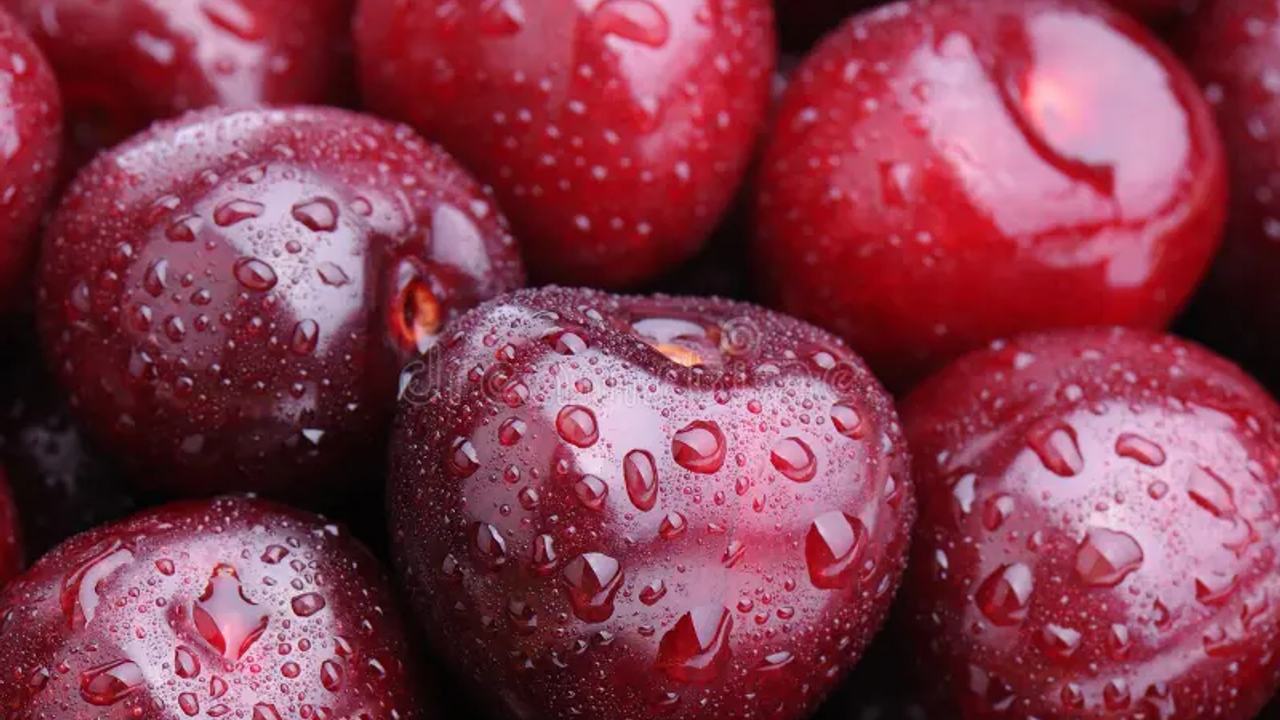
10. Cherry: Their delightful blend of sweetness and tartness has made them a beloved fruit. Unfortunately, their small size and fragile skin make them prone to pesticide accumulation. This emphasizes the importance of thorough washing before consumption.
11. Blueberry: Blueberries are celebrated for their antioxidant properties and health benefits. Nevertheless, their delicate skin permits pesticides to seep through easily, leading to elevated residue levels. Given their popularity, consumers should consider opting for organic options or meticulously washing conventionally grown blueberries.
12. Green bean: Green beans are a versatile vegetable enjoyed in various culinary creations. However, their susceptibility to pests often necessitates frequent pesticide applications during cultivation. Coupled with their tender skin, this contributes to their inclusion on the Dirty Dozen list.