
Biological control: Sustainable solution or ecological time bomb?
Many believe that biological control methods should be increasingly used in agriculture because they offer a more sustainable alternative to chemical pesticides. However, several examples prove that when not properly managed, these methods can lead to significant environmental issues.
The Evolution of Resistance: Myxomatosis
A famous case occurred in France and the United Kingdom in the 1950s when a viral disease (myxomatosis) was released to control rabbit populations. The virus was initially effective – within a year a significant proportion of the English rabbit population had died. By the 1970s, however, it was much less deadly, with only a smaller proportion of the population falling victim, while more and more rabbits survived the infection with increasingly mild symptoms. This selection pressure led to the gradual spread of immunity throughout the population. As the resistant population grew, rabbits once again became a problem for agriculture. (P.W.J. Bartrip, 2008)
Biocontrol Backfire: The Harlequin Ladybug
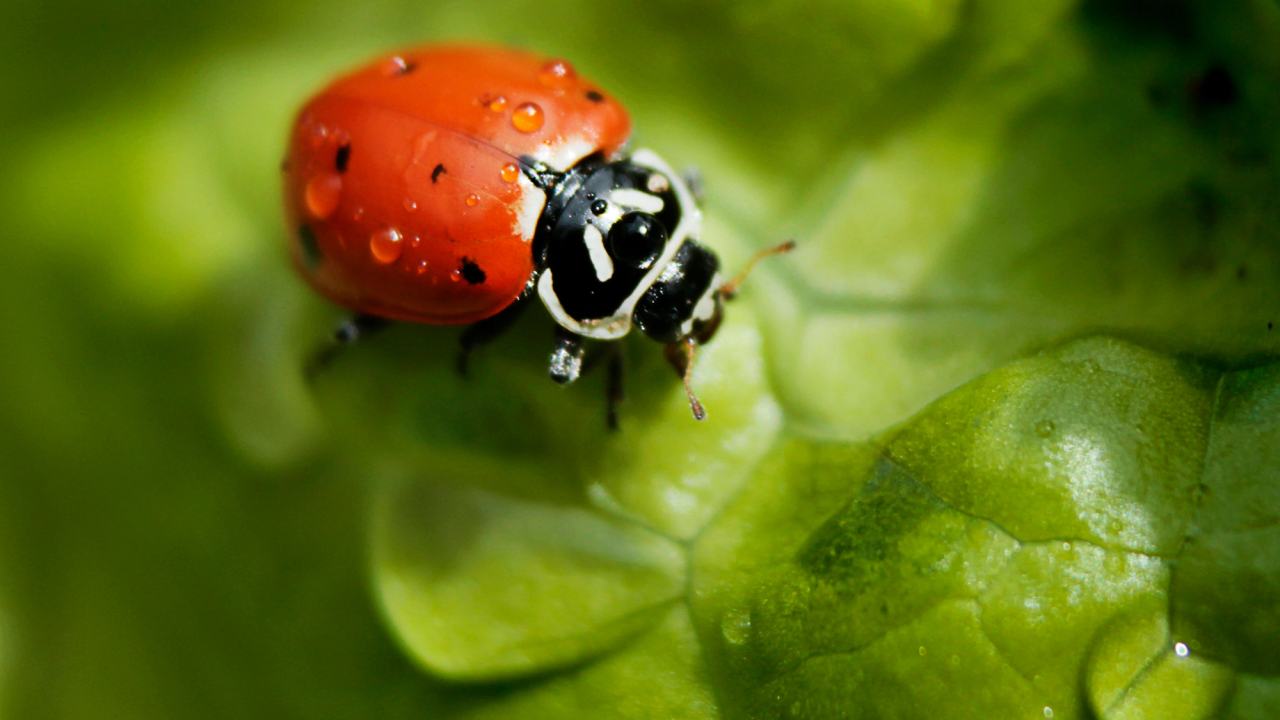
The case of the harlequin ladybug also shows that the impact of biological methods on ecosystems can be unpredictable. The harlequin ladybug was originally introduced to North America as an effective tool for environmentally friendly biological pest control. In its natural habitat, it has proven to be extremely effective in controlling aphids, so it initially seemed like a promising solution. The ladybugs introduced to America have made a significant contribution to the fight against agricultural pests. Although the harlequin ladybug population was controlled by growers until the late 1980s, the first feral population was discovered in the United States in 1988. Within two decades, it became the most widespread ladybug species in the country, gradually outcompeting native species.
Harlequin Ladybug invasion in Europe
In Western Europe, it was introduced experimentally in the early 1980s, first in France (1982), then in the Netherlands and Belgium. The harlequin ladybug was intended to be used mainly in intensive horticultural crops and for biological control. However, from 2002 onwards, its spread became uncontrollable: since then it has appeared in European countries where it had not previously been found in experimental colonies. Due to its aggressive spread, it has displaced native ladybug species. In addition, it has caused damage to viticulture. The insects burrow into the inside of grape clusters and remain among the berries during the harvest. When pressed, their body fluids enter the must, which results in an unpleasant taste and aroma profile, thus reducing the quality of the wine.
These examples clearly show that biological control does not always work as planned and can even cause serious ecological damage in the long term.
References: Bartrip, P.W.J. “Myxomatosis in 1950s Britain.” Modern British History 19, no. 1 (2008): 83–105. https://doi.org/10.1093/tcbh/hwm016. Viktor Markó, and Gábor Pozsgai. “The distribution of the harlequin ladybird (Harmonia axyridis, Pallas, 1773) (Coleoptera, Coccinellidae) in Hungary and its appearance in Romania and Ukraine.” Nóvényvédelem 45, no. 9 (2009): 481–489. - http://www.mezogazdasagikonyvtar.hu/assets/tiszteletpeldany/NOVENYVEDELEM/Novenyvedelem-2009-9.pdf.