
The Dirty Dozen 2025 list has been released: potatoes are among the crops that require the most chemicals.
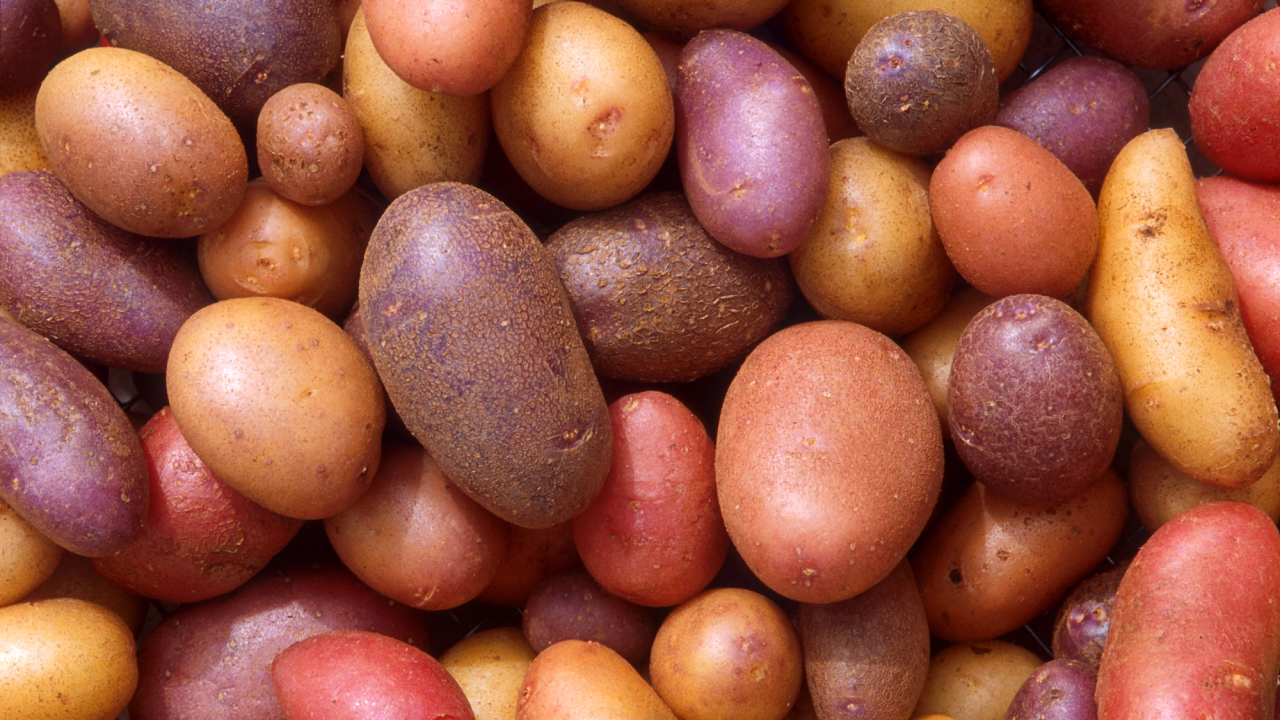
Last year on the GuardenAI blog, we covered the Dirty Dozen a list compiled in the twelve fruits and vegetables most heavily treated with pesticides during cultivation. Its goal is simple: to raise awareness about the amount of chemical residue we might be consuming with a single grape or apple. This year’s (2025) update is particularly relevant to us: potatoes have officially joined the list.
Why is this particularly interesting for a startup focused on agricultural robotics?
Because GuardenAI's mission is to offer farmers pesticide-free yet effective crop protection solutions using our smart, camera- and laser-equipped agricultural robot. Potatoes are GuardenAI's first target, and we are testing our technology on potatoes' primary pest, the potato beetle. The fact that potatoes are on this list indicates a growing need for our service.
Let’s walk through the 2025 Dirty Dozen and explore why each of these crops often requires such heavy pesticide use:
1. Strawberries - Delicate and thin-skinned, strawberries are highly vulnerable to pests, fungi, and bacteria. Since they’re consumed whole and raw, any pesticide residue remains on the fruit—no peeling or scrubbing will remove it.
2. Spinach - As a leafy green grown in open fields, spinach is an easy target for aphids, thrips, and fungal diseases. Its large, textured leaves hold onto pesticide sprays more than most crops.
3. Kale, Collard & Mustard Greens - Members of the brassica family, these greens are especially prone to caterpillar infestations and mildew. Frequent applications of insecticides and fungicides are common in large-scale production.
4. Grapes - Thin-skinned and grown in tight clusters, grapes are particularly susceptible to mold and pests, especially in humid climates. Common threats include grape berry moths, powdery mildew, and grey rot.
5. Apples - Consumers expect flawless apples. Achieving that aesthetic requires repeated pesticide applications to prevent pests like codling moths and diseases like apple scab. Organic options are difficult to scale.
6. Cherries - Cherries are extremely sensitive to weather and insects. Pests like the cherry fruit fly and fungal infections such as brown rot make conventional spraying almost unavoidable in commercial orchards.
7. Peaches - Juicy and soft, peaches attract a wide range of bugs and fungi. Their fuzzy skin absorbs pesticides easily, and residues often remain deep within the fruit.
8. Pears - Like apples, pears must meet strict visual standards. Pear scab and codling moths are common problems that usually require chemical treatment to manage.
9. Bell & Hot Peppers - Peppers have thin, waxy skins that hold pesticide residues effectively. Their long growing season means they face many pests over time, from aphids to mites and thrips.
10. Celery - With its long, ribbed stalks and numerous crevices, celery creates perfect hiding spots for pests. As a result, growers often rely heavily on chemical sprays to keep it market-ready.
11. Blueberries - Small but sensitive, blueberries are vulnerable to mold, aphids, and various insects. Because they’re eaten raw, the pesticide residue often goes straight into our bodies.
12. Potatoes - The newcomer to the list—and one we care about deeply. Potatoes face relentless threats from pests like the Colorado potato beetle, which are often fought with strong insecticides. On top of that, soil-borne fungi and bacteria demand regular chemical intervention. The big issue? These chemicals don’t just stay in the soil—they’re absorbed by the tuber itself.
So, what’s the solution?
The answer is not to give up on these crops—but to grow them differently. GuardenAI is building a smarter way to farm, using precision robotics to detect and eliminate pests locally, without the need to spray entire fields with chemicals. Year after year, the Dirty Dozen shows us what we already know: the old methods are broken. A cleaner, more sustainable approach isn’t a nice-to-have—it’s essential.
If you found this overview helpful, subscribe to our newsletter and follow us as we build the future of sustainable agriculture—one robot at a time.